

Mini splits give modern homes a more comfortable and simpler way to regulate temperature, both cooling and heating, and are a better alternative to traditional central air conditioning. But are they really worth the investment? In this comprehensive guide, we'll break down the pros and cons of mini splits to find out if a mini split AC fits for you. Read on!
What is a Split AC System and How Does It Work?
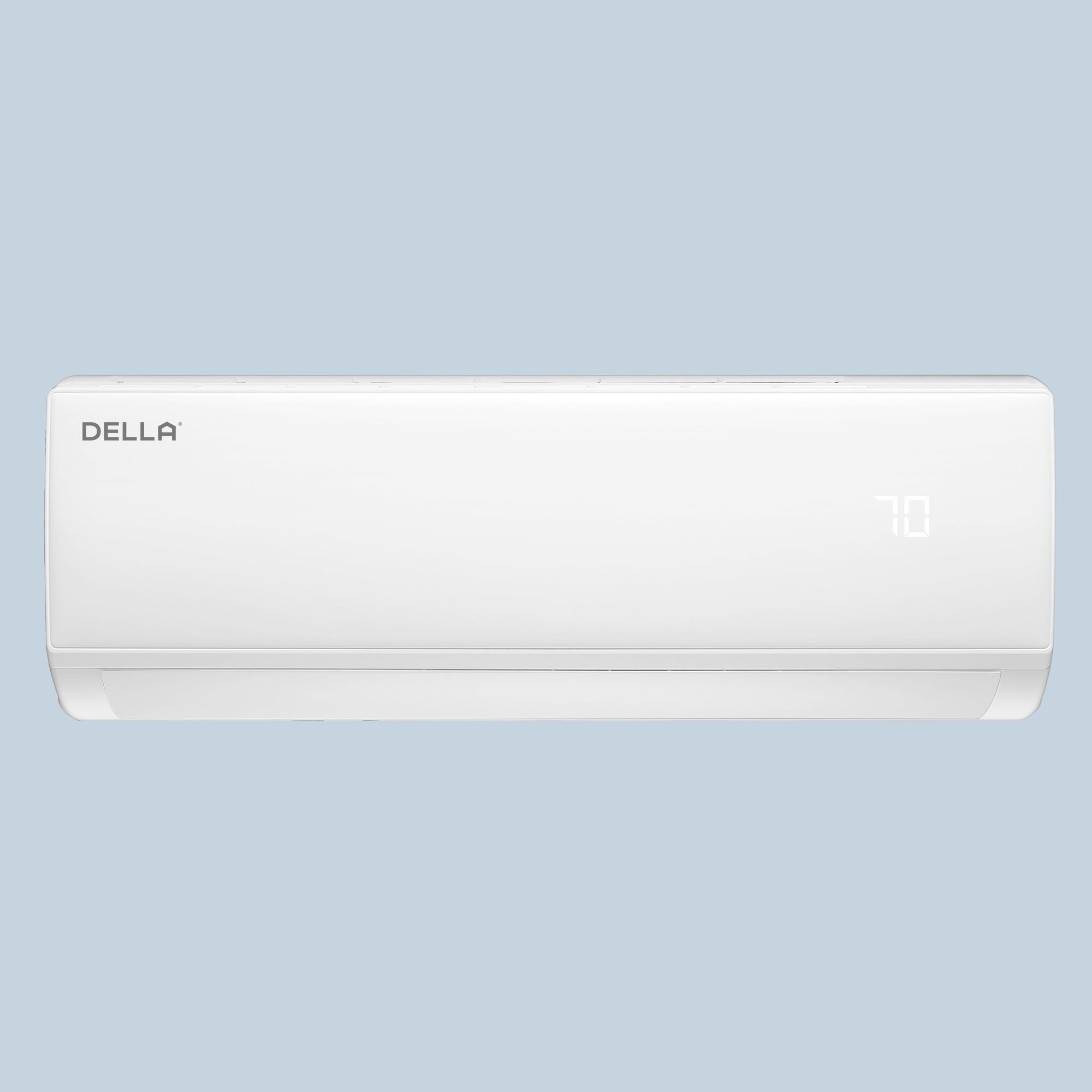
A split AC system, also known as a ductless mini split, is a modern heating and cooling solution designed to provide comfort without the need for extensive ductwork.
It consists of two main components: an outdoor unit and one or more indoor units. The outdoor unit houses the compressor and condenser, which are responsible for cooling or heating the refrigerant.
The indoor units, typically mounted on walls or ceilings, distribute the conditioned air directly into the room. These two components are connected by a small conduit that carries refrigerant, power, and drainage lines.
The mini split heat pump works by transferring heat between the indoor and outdoor units. During cooling, the indoor unit absorbs heat from the room and transfers it outside, while in heating mode, the process is reversed, pulling heat from the outdoor air and bringing it inside.
This efficient heat exchange process, combined with inverter technology, allows split AC systems to adjust their output based on the room's needs.
Split AC systems are highly versatile, making them ideal for homes without existing ductwork or for those looking to add climate control to specific areas.
Their compact design and flexible installation options make them a popular choice for modern homeowners seeking an efficient and customizable HVAC solution.

Advantages of Mini Splits
Energy efficient
Mini split air conditioners are great at saving energy which is not only better for the planet, but also for lowering your utility bills. Since they don't use ducts, there's less energy loss. They also have inverter technology, which adjusts the compressor speed based on what's needed, using only the energy required and making the entire operation very quiet.
According to tests in Della Labs, compared to traditional HVAC systems, mini split air conditioners can save up to 25–40% on energy costs. For example, Della's mini split air conditioners for sale can reach a SEER2 rating of 20 and save energy costs by more than 40%.
Easy installation
Ductless mini splits are easy to install since they don't require ducts. The process is quick and less disruptive, with just a small conduit connecting the indoor and outdoor units. You can place them in almost any room without much hassle.
Independent room control
The mini splits air conditioning allow you to control the temperature in each room separately. Through this feature, you can keep one room cool while another stays warmer, giving everyone in the house personalized comfort.
Quiet operation
As located away from the outdoor unit, mini split units run very quietly indoors. The indoor units are designed to produce minimal noise, so you can enjoy a comfortable temperature without any loud distractions.
Space-saving design
Ductless mini splits are compact and take up less space than traditional HVAC systems. The indoor units can be mounted on walls, ceilings, or floors, fitting neatly into any room without the need for large ducts or major renovations.
Improved air quality
Mini splits air conditioning have advanced filters that reduce dust, pollen, and allergens, improving indoor air quality rather than circulating dust and pollutions like traditional central air systems.
Disadvantages of Mini Splits
Higher upfront cost
Ductless mini splits installation costs are higher compared to traditional HVAC systems. For a single-zone mini split system, the cost can range from $2,000 to $5,000, including the unit and installation.
Aesthetic impact of indoor units
The indoor units of ductless mini splits are visible and may not blend seamlessly with all interior designs. Some homeowners might find them less aesthetically pleasing compared to hidden ductwork.
Regular maintenance needed
Ductless mini split air conditioners require regular maintenance to ensure they operate efficiently. This includes cleaning the filters, checking the refrigerant levels, and inspecting the system for any issues.
Limited coverage for large spaces
To cover large homes or areas adequately, you might need multiple units, which can raise costs and be less convenient to control than a central air system.
Why Do Mini Split Installation Quotes Include “Insulation”?
Many homeowners are surprised to see “insulation” listed as a separate line item in a mini split installation quote, especially when wondering why insulation costs so much. In reality, this charge is not about insulating your entire home, but about properly sealing and protecting key components of the system. During installation, technicians use insulation materials to wrap refrigerant lines, seal wall penetrations, and prevent air leaks around the conduit that connects indoor and outdoor units.
This step is essential for system efficiency and long-term performance. Without proper insulation, conditioned air can escape, moisture can accumulate, and the system may have to work harder to maintain temperature, leading to higher energy costs over time. In addition, insulation helps prevent condensation on refrigerant lines, which can otherwise cause water damage or mold issues inside walls.
The cost may seem high because it includes both materials and labor, especially if the installation requires longer line sets, multiple zones, or routing through complex structures. However, this is not an optional upgrade. It is a necessary part of ensuring the mini split system operates efficiently, safely, and reliably over its lifespan.
Are Split HVAC Systems Worth It?
Split HVAC systems, especially ductless mini splits, are a great investment for many homeowners due to their energy efficiency, flexibility, and zoning capabilities.
Unlike traditional central air systems, mini splits let you control temperatures in individual rooms, reducing energy waste. They’re ideal for homes without ductwork, avoiding costly modifications. With advanced inverter technology, they use less energy and lower utility bills over time.
Why Mini Splits Are Ideal for Small Homes?
Mini split systems are a strong fit for small homes, especially two bedroom layouts where space, efficiency, and comfort need to be balanced. Instead of conditioning the entire home at once, mini splits allow you to focus on the areas that are actually in use, making them both practical and cost effective.
Zoned Comfort for Two Bedroom Layouts
One of the biggest advantages is zoning. Each bedroom and living area can have its own indoor unit and temperature setting. This means one room can stay cooler for sleeping while another remains warmer, improving overall comfort without affecting the entire home.
Lower Energy Consumption
Because you can control each zone independently, you avoid running the system in unused rooms. This reduces energy consumption and can lead to lower monthly utility bills, which is especially beneficial in smaller households.
No Ductwork Required
Many small homes, older properties, or additions do not have existing ductwork. Mini splits eliminate the need for ducts, avoiding costly renovations and reducing energy loss that typically occurs in ducted systems.
Easy and Flexible Installation
Installation is straightforward and minimally invasive. Indoor units can be placed on walls or ceilings depending on the layout, making it easier to adapt the system to smaller floor plans without major structural changes.
Quiet and Space Saving
Mini splits operate quietly and have a compact design, which makes them ideal for bedrooms and small living areas. They do not take up floor space and can blend into the room without disrupting the layout.
How Much Will My Electric Bill Go Up with a Mini Split System?
The impact on your electric bill depends on system efficiency, usage, and home size.
Mini splits generally use 25–40% less energy than traditional HVAC systems due to their ductless design and inverter technology. On average, running a single-zone mini split costs about $20–$50 per month, while a multi-zone system can range from $50–$150 per month.
If replacing an outdated central system, you may see overall savings. However, adding a mini split for supplemental cooling or heating can slightly increase your bill.
Do Mini Splits Devalue a House?
Mini splits do not typically devalue a house. In fact, they can often be seen as an upgrade due to their energy efficiency, quiet operation, and the ability to provide zoned heating and cooling. Buyers may appreciate the lower utility costs and the flexibility these systems offer. However, some buyers might have aesthetic concerns about the appearance of indoor units, but this is generally a minor issue.
If you're considering upgrading your home's heating and cooling system, Della offers top-quality single zone and multi zone mini split and perfect solutions based on your home needs. Shop at our air conditioner sale now!

FAQ
How Long Can Mini Splits Last?
Mini split air conditioners typically last around 15 to 20 years, which is a long-term investment. The life of mini split air conditioner largely depends on regular maintenance, running environments, hvac manufacturers brands and models and other factors. The longer you run, the more bills you save, which will exceed the high upfront installation costs.
Should I Replace Central Air with Mini Split air conditioners?
Replacing central air with a mini split can be a good option if you're looking for more energy efficiency, flexibility, and targeted climate control. Mini splits are particularly beneficial for homes without existing ductwork, or if you want to control the temperature in specific rooms independently. They are also easier to install and can result in significant energy savings. For larger homes or if you prefer a centralized system, a traditional HVAC and mini split heater ac for multiple rooms might still be more suitable. It's best to assess your specific needs and consult with a professional before making a decision.
Why are mini split system installations so expensive?
Since the mini split installation includes many items beyond purchase, the installation of a mini split can far exceed its own selling price, typically ranging from $3,000 to $7,000 or more. This cost includes skilled engineers with a certificated license, which can be around $1,000 to $2,000, and the high-quality equipment itself, often priced between $1,500 and $4,000. If your house needs necessary upgrades to electrical systems or additional refrigerant lines, you will pay around $100 to $500.


LEAVE A COMMENT
All comments are moderated before being published.
This site is protected by hCaptcha and the hCaptcha Privacy Policy and Terms of Service apply.