
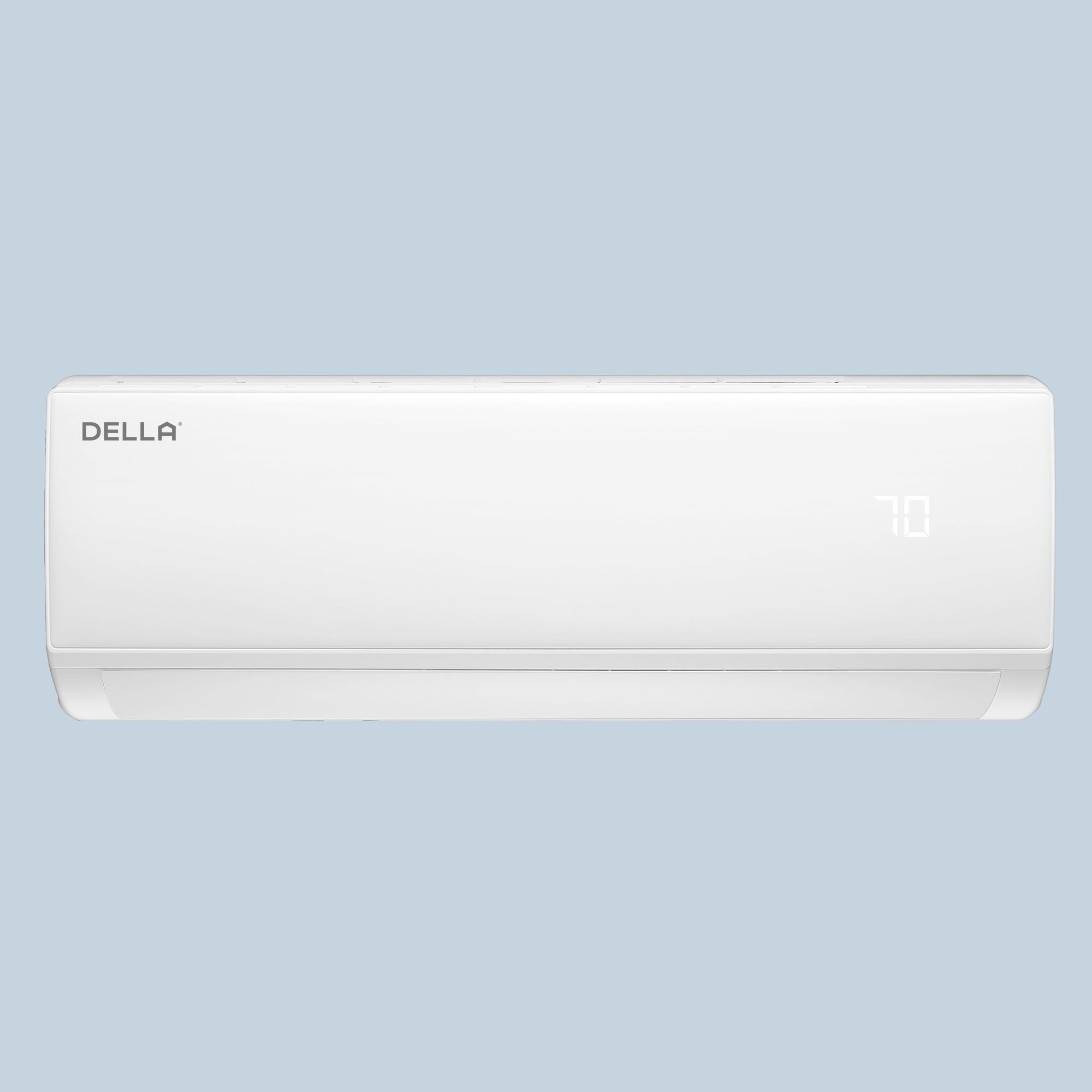

Your mini-split is blowing air, but your home still stays cold. In winter, that's stressful. Before calling a technician, check this: mini splits push air between 85°F and 100°F. That's below your body temperature (98.6°F). So the air might feel cool on your hand, even when it's warming your room just fine.
This guide helps you figure out whether it's a quick fix or a real problem that may require professional service.
How Does a Mini-Split Heat Pump Work in Heat Mode?
A mini-split doesn’t create heat like a furnace. It moves heat from outside to inside using a refrigerant. The reversing valve makes this possible. It changes the direction of the refrigerant so the outdoor unit can pull heat from cold air. The indoor unit then releases that warmth into your home.

Understanding Capacity Fade
Standard heat pumps lose heating power as temperatures drop. Many start struggling once the outside temperature goes below 17°F. So if it’s –5°F and your home feels cool, your system might be hitting its limit, not failing. Hyper-Heat and Cold Climate models keep more strength in extreme cold, so performance depends on which type you have.
Check the Thermostat Settings
Your remote control should display HEAT mode (the sun icon). If it's set to AUTO, COOL, or DRY, the system won't provide heat. Temperature matters too. The set point needs to be higher than the current room reading. A room at 70°F with a 68°F setting won't trigger the unit to turn on.
Adjust Fan Speed for Better Heat Distribution
Heat rises naturally, so the sensor near the ceiling might read 75°F while your floor stays at 65°F. Avoid auto fans in winter. Set it to High or Medium and angle the vanes downward to direct warm air where you actually feel it.
Watch for Multi-Zone Conflicts
Systems with multiple indoor units share one outdoor compressor. All zones must operate in the same mode. If one is set to Cool and another to Heat, the system enters standby—often signaled by blinking lights.
Ensure the Mini-Split Has Power
Simple power interruptions can mimic bigger problems. A surge, a bumped switch, or a loose connection might be all that's wrong.
Check the Circuit Breaker
Find the breaker labeled "Heat Pump" or "Mini Split" on your panel. If tripped, flip it fully OFF, then back ON.
Inspect Power Switches
The outdoor disconnect box (gray box near the unit) has a handle that can be pulled accidentally. Indoor units sometimes have wall switches that resemble light switches—verify these are ON.
Look at the Display
A blank display means total power loss. Blinking lights indicate power is present but the unit is signaling an error or standby condition.
Clean or Replace the Air Filters
Clean airflow is essential for proper heating. Clogged filters reduce output and can cause the unit to shut down early—the system thinks the room is warm when it's actually overheating internally. A musty smell, often called "Dirty Sock Syndrome," signals mold on the blower wheel. This blocks airflow and requires deep cleaning.
Clear Obstructions from the Outdoor Unit
The outdoor unit functions like a radiator in reverse, it needs to pull heat from the surrounding air. Keeping it clear allows the system to work as designed.
Visual Inspection
Snow drifts, ice, leaves, and debris can all accumulate around the unit. Rodents sometimes build nests inside during cooler months, blocking airflow. Check that the fan blades spin freely without twigs or other objects interfering.
Debris Cleanup
Maintain at least 24 inches of clearance on all sides. Brush away snow gently and trim back vegetation that's grown too close. One thing to avoid: covering a running unit with a tarp. This traps moisture and restricts airflow, creating more issues than it solves.
Check the Remote Control and Timer Settings
Mini-split remotes pack many features into a small device. It's easy to activate a setting that prevents heating without realizing it. The problem might not be your heater—it could be the device controlling it.
Remote Control
- Weak batteries: A faded screen or no beep when pressing buttons means it's time for fresh batteries.
- Line of sight: The infrared receiver on your indoor unit needs a clear path. Dust buildup or furniture placement can block the signal—wipe the receiver gently with a cloth.
- "Follow Me" or "I Feel" mode: This uses the remote's thermometer instead of the wall unit's sensor. A remote sitting in sunlight or near a lamp will read the space as warm, even if you feel cold.
Timer or Schedule Settings
Look for an active "Timer Off" or "Sleep" mode that shuts down the unit automatically. A programmed weekly schedule might also be overriding your manual adjustments.
Look for Ice Buildup (Defrost Mode)
White steam rising from the outdoor unit, accompanied by a loud whooshing sound, can seem alarming. This isn't cause for concern—steam disappears quickly, while smoke lingers and smells burnt.
Your unit is running its defrost cycle, briefly reversing operation to melt ice from the outdoor coils. The indoor fan pauses during this process to avoid blowing cold air into your space. Give it 10–15 minutes, and heating should resume normally.
If the unit becomes completely encased in ice and never melts, the defrost sensor or reversing valve likely needs professional attention.

Check for Error Codes or Indicator Lights
A flashing code on your DELLA mini split's display can point directly to the problem. Understanding these codes helps you determine whether to wait, troubleshoot, or call a technician.
Common Heat-Related Codes on DELLA Systems:
- H1 — Defrost Cycle (Normal): The unit pauses heating to melt ice from the outdoor coil. Heating typically resumes within 5–15 minutes.
- P7 — Overheating Protection: Dirty filters or blocked airflow usually trigger this code. Clean the filters and ensure vents remain unobstructed.
- H2 — Low Pressure Protection: This can stem from low refrigerant, frost buildup, or a leak. A technician is usually required.
- F8 — Reversing Valve Issue: The system cannot switch to heat mode and may blow cold air. Professional repair is needed.
- Hd — Refrigerant Leak Protection: The system has detected a pressure problem, and heating output may weaken or stop.
- E0 / EC / PA — Communication or Mode Conflict: Indoor and outdoor units are out of sync, or one zone is set to COOL while others are set to HEAT.
Low Refrigerant Level (Professional Fix)
Refrigerant is what carries heat through the system—think of it as the lifeblood of your mini split. If it leaks out (often at the flare connections), the unit simply cannot transport warmth into your home.
Signs of Low Refrigerant:
- Lukewarm air instead of proper heat
- A hissing sound near the unit
- Ice forming on the coil, even during mild weather
Look for dark, oily stains on copper pipe connections. These marks often reveal the exact leak location. Topping off refrigerant isn't an option for DIY repair. A licensed technician must locate the leak, fix it, and recharge the system by weight according to EPA regulations.
Malfunctioning Components or Mechanical Problems
Correct settings and steady power don't guarantee operation if a physical component has failed. These issues typically require a trained technician to diagnose and repair safely.
Reversing Valve Stuck
This valve switches the unit between cooling and heating modes. If the solenoid fails or the valve jams, the system remains stuck in cooling mode. The telltale sign: your outdoor unit runs, and the fan spins, but the indoor unit blows cold air as though it's still summer.
Faulty Sensors
Thermistors—small temperature sensors—can drift over time and give false readings. The unit might think the room is 80°F when it's actually 50°F. This causes premature shutoffs or prevents the system from turning on altogether.
Bad Compressor or Fan Motor
The compressor serves as the heart of the system. If it seizes or fails electrically, neither heating nor cooling can occur. Loud grinding noises or a humming sound followed by silence often signal a motor struggling to start. If the compressor runs but the outdoor fan doesn't, the unit will overheat and shut down quickly.
Electronics and Boards
Inverter boards are sensitive computers controlling system operation. Power surges or lightning strikes can damage the main logic board.
The "Hard Reset": Turning the breaker off for 30 minutes can discharge capacitors and reset a confused board.
Pre-Heat Delay: It's normal for the fan to pause 3–10 minutes on startup while the coil warms up. This anti-cold draft feature prevents blowing cold air into your space—don't mistake it for a malfunction.
When to Call an HVAC Professional
- Safety first: The smell of burning plastic, visible sparks, or loud metal-on-metal grinding are signs to shut off the unit immediately and contact a technician.
- Electrical issues: A breaker that trips the moment you reset it indicates a dangerous electrical short. This situation calls for professional diagnosis—avoid repeated reset attempts.
- Persistent failure: You've cleaned the filters, checked the remote, and performed a hard reset, yet the unit still won't heat. A technician can identify internal problems that aren't visible from the outside.
- Warranty warning: Opening the electrical panel or handling refrigerant yourself can void your manufacturer's warranty. Internal repairs are best left to licensed professionals.
When It's Time to Replace Your Mini Split
Systems that are over a decade old and struggle to maintain steady heat in freezing temperatures—despite proper maintenance—often reach a point where replacement becomes a more practical option than ongoing repairs. Modern heat pumps deliver stronger cold-climate performance, improved energy efficiency, and quieter operation compared with older units.
When Cold Weather Pushes a Mini-Split to Its Limits?
If your system consistently struggles to maintain warmth during subfreezing temperatures—even after cleaning filters, confirming settings, and ruling out electrical issues—the limitation may not be a fault, but the system’s cold-weather capacity.
Standard heat pumps lose efficiency and heating output as outdoor temperatures drop. In regions where winter lows regularly fall below 10°F, many homeowners find that older or standard models simply reach their operational ceiling. This usually shows up as longer run times, uneven room temperatures, or frequent reliance on backup heat during cold snaps.
In these climates, cold-climate or “hyper-heat” mini split systems are designed to retain more heating capacity at very low temperatures, reducing reliance on backup heat and improving comfort consistency during cold snaps.
Whether upgrading makes sense depends on several factors:
- how often your area experiences extreme cold
- whether baseboard or other supplemental heat is available
- and whether rising energy use is tied to system limits or home heat loss
For homeowners evaluating long-term heating reliability in harsh winters, understanding the difference between standard and cold-climate heat pump designs can help frame the next step.
Learn more about cold-climate mini split heat pump options and how they differ from standard systems →


Preventive Maintenance Tips to Keep Your Mini-Split Heating
Preventing a heating problem is far easier than fixing one. Routine care keeps your system running efficiently and your energy bills in check.
Regular Filter Cleaning
Filters should be washed every 2–4 weeks during heating season—this single habit makes the biggest difference. Dirty filters remain the top cause of heating performance complaints.
Keep the Outdoor Unit Clear
Check your outdoor unit after snowstorms or heavy winds. Trim nearby shrubs so the unit can draw in fresh air freely from all sides.
Seasonal Check-ups
A professional maintenance visit once a year, ideally in fall, helps catch issues early. Technicians inspect refrigerant levels and tighten electrical connections, since flare nuts tend to loosen over time. Small leaks discovered now won't turn into mid-winter emergencies.
Use Recommended Settings
Setting the fan to High or Medium rather than Auto improves heat distribution throughout your space. Mini-splits work best when maintaining a steady temperature, so avoid turning the unit on and off repeatedly, set it and forget it.
Keep an Eye (and Ear) Out
- Listen: Learn your unit's normal operating sounds. A new rattle or vibration often points to a loose part that's simple to address early.
- Look: Oil stains on pipe connections or beneath the unit typically signal a refrigerant leak requiring attention.
Conclusion
Most "no heat" problems trace back to simple causes: dirty filters, defrost cycles, mode conflicts, or remote control settings. These issues typically take just minutes to fix.
Keep in mind that mini-splits need 5–10 minutes to pre-heat before delivering warm airflow. Regular maintenance is your best protection against winter breakdowns, helping keep your home comfortable throughout the season.
Related Articles:


LEAVE A COMMENT
All comments are moderated before being published.
This site is protected by hCaptcha and the hCaptcha Privacy Policy and Terms of Service apply.